
EYFS First Aid Requirements 2026. Compliance Guide for Early Years
EYFS First Aid Requirements Explained Simply
What Early Years Settings Need to Know
The EYFS first aid requirements 2026 set out what early years providers must have in place to keep children safe and to meet safeguarding and welfare expectations.
These requirements apply to nurseries, preschools, childminders, schools with early years provision, and any setting delivering care under the Early Years Foundation Stage framework.
This page explains what is expected, what has changed in recent years, and how early years settings can ensure their first aid arrangements are appropriate, compliant, and defensible.
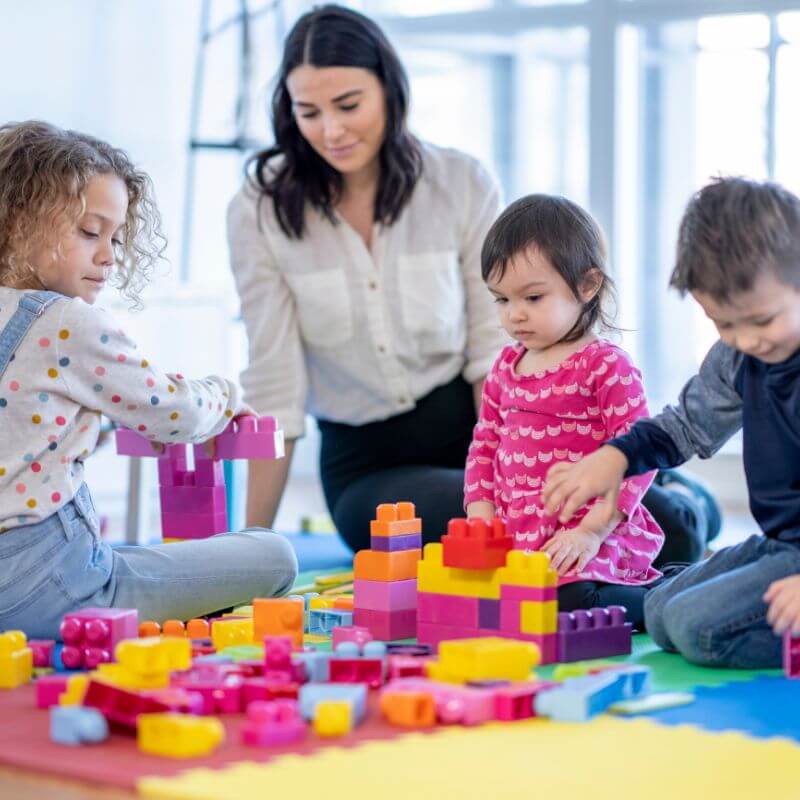

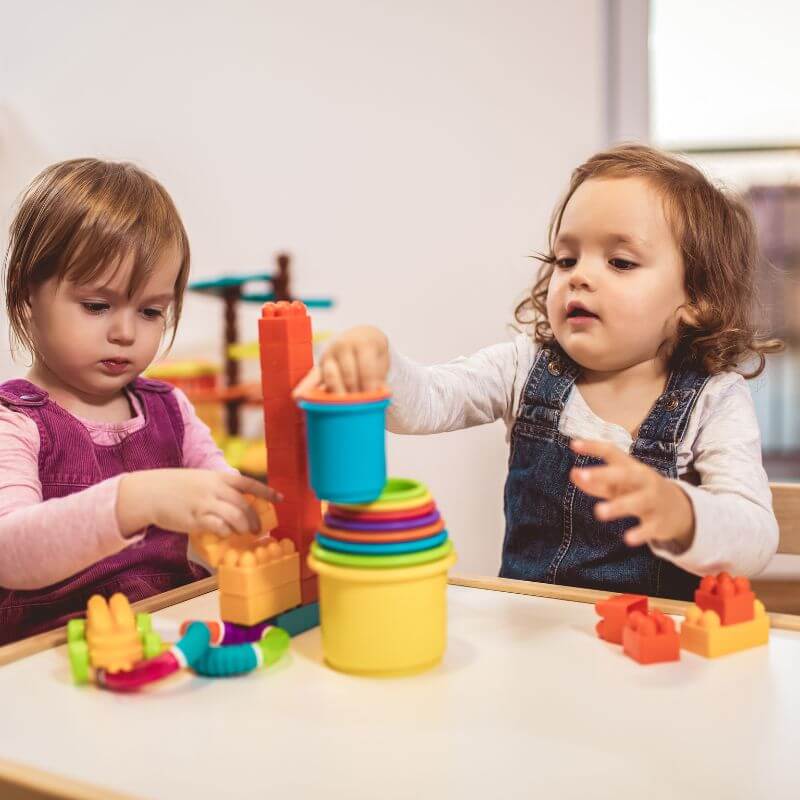
Understanding EYFS First Aid Requirements 2026
Under the EYFS safeguarding and welfare requirements, providers must ensure that at least one person with a current Paediatric First Aid certificate is on the premises and available at all times when children are present. This applies during normal opening hours, outdoor activities, and off site visits.
The EYFS does not prescribe a specific training provider, however it places responsibility on the provider to ensure that first aid training is suitable, up to date, and appropriate for the age group being cared for. Providers must be able to justify their training decisions if asked by Ofsted or a local authority.
The First Aid Needs Assessment. The Starting Point
A robust First Aid Needs Assessment is the first step to compliance with HSE first aid requirements 2026. It should consider:
- The nature of your business activities
- Workplace hazards and risks
- The number of employees and visitors
- Shift patterns and lone working
- Proximity to emergency services
Accident history and trends
There are no fixed rules on how many first aiders you need — it must be based on this assessment.
Where hazards are low, you may only need an appointed person; where risks are higher, you will likely need trained first-aiders with up-to-date certification.
Full Paediatric First Aid or Emergency Paediatric First Aid
Some early years settings require a full Paediatric First Aid qualification, while others may be permitted to use Emergency Paediatric First Aid depending on their circumstances and staffing arrangements.
In practice, many providers choose full Paediatric First Aid training because it offers broader coverage, clearer evidence for inspection, and longer term confidence for staff.
Providers are responsible for ensuring that the level of training chosen is suitable for their setting, staffing structure, and risk profile.
Certificate Validity and Refresher Training
Paediatric First Aid certificates are typically valid for three years. EYFS providers must ensure that certificates remain in date and that cover is maintained at all times.
It is good practice to plan refresher or requalification training in advance, rather than allowing certificates to expire. Some providers also choose to deliver annual refresher sessions to maintain confidence and competence between full qualifications.
First Aid Provision Beyond Training
Meeting EYFS first aid requirements 2026 is not only about training. Providers must also ensure that first aid arrangements are effective in practice.
This includes:
- Suitable first aid kits for early years settings
- Clear procedures for responding to incidents
- Accident and incident recording
- Communication with parents or carers
Providers should regularly review their first aid arrangements as part of their wider safeguarding and health and safety processes.
What Is Expected from Your First Aid Kit and Facilities
HSE guidance recommends that:
- First aid kits reflect the British Standard BS 8599-1 for workplace kits wherever practical.
- Larger or higher-risk workplaces might need more comprehensive equipment and even a dedicated first aid room.
There is no singular legal formula for kit contents — it must be based on your needs assessment and best practice standards.
Why Regulated Paediatric First Aid Training Matters
While the EYFS does not mandate a specific awarding body, many providers choose Ofqual regulated Paediatric First Aid qualifications because they provide nationally recognised standards, clear learning outcomes, and external quality assurance.
Using regulated training can make it easier to evidence compliance, demonstrate due diligence, and provide reassurance to parents, staff, and inspectors.
Common EYFS First Aid Scenarios
Paediatric First Aid training prepares staff for real situations that occur in early years settings, including:
- Choking during meals or snack times
- Allergic reactions and anaphylaxis
- Asthma attacks
- Febrile seizures
- Falls and head injuries
- Sudden illness or collapse
Getting EYFS First Aid Right in 2026
EYFS first aid requirements 2026 are about more than ticking a box. They are about ensuring that children are protected, staff are confident, and providers can demonstrate that safeguarding responsibilities are taken seriously.
Choosing appropriate training, maintaining cover, and regularly reviewing arrangements helps ensure that first aid provision remains effective and compliant.
Support With EYFS First Aid Training
If you are unsure whether your current first aid training meets EYFS requirements, or if you need advice on Paediatric First Aid options for your setting, we are happy to help.
We work with nurseries, childminders, schools, and early years providers across the North East, delivering practical Paediatric First Aid training aligned with EYFS safeguarding and welfare expectations.
Need Advice on Course Selection?
If you are unsure:
- Which first aid course you need
- Whether your setting requires Ofqual regulation
- If a current certificate is suitable
Contact us to get the advice and support you deserve.