Strengthening First Aid Capability Across River Operations
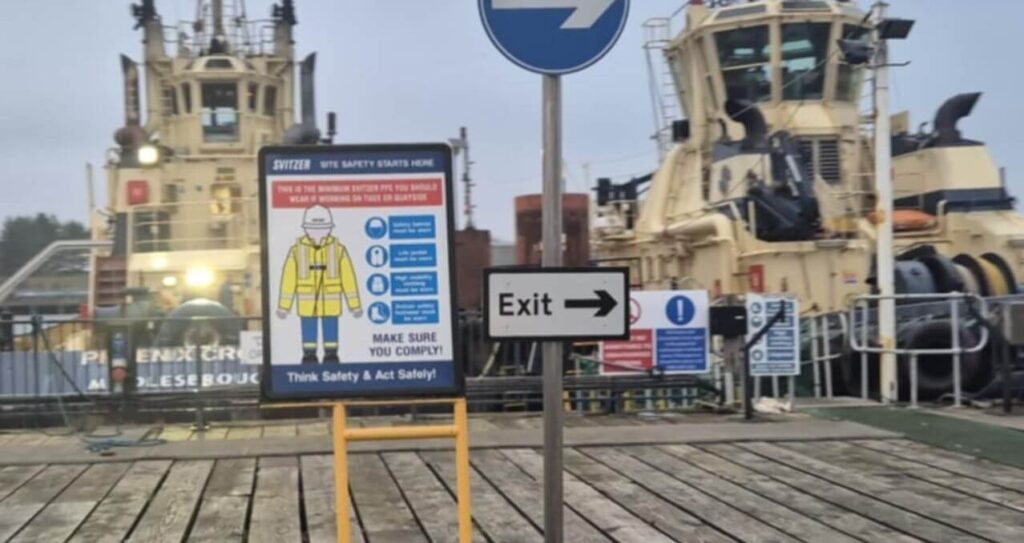
As part of ongoing first aid provision for Svitzer, First Aid and Safety Training returned to deliver a further Level 3 Emergency First Aid at Work (EFAW) course with Catastrophic Bleed training. This session focused on training additional skippers and boat crew, ensuring consistent first aid knowledge and confidence across teams operating on the Rivers Tyne and Tees.
While the course covered the same qualification as previous training, the group dynamics, discussion topics, and operational focus made this session entirely unique, shaped by the experience and responsibilities of the learners in the room.
A Crew-Focused Learning Environment
This course brought together skippers and boat staff who routinely operate in challenging, fast-moving environments. The nature of river and vessel work means crews must often rely on each other in an emergency, particularly when external support may be delayed.
From the outset, the day was highly interactive, with learners openly discussing:
- Working with small crews and limited manpower
- Managing incidents while maintaining vessel safety
- The practical realities of dealing with casualties in confined spaces
- Decision-making when help is not immediately available
These conversations helped ground the training firmly in the real-world conditions crews may face on the water.
Emergency First Aid With Catastrophic Bleed Training
Alongside the core Emergency First Aid at Work syllabus, additional time was dedicated to catastrophic bleeding control—a critical skill in maritime environments where heavy equipment, lines, and mechanical hazards are present.
The training covered:
- Casualty and incident assessment in a maritime setting
- CPR and AED use when working with limited space and crew
- Management of the unconscious casualty
- Choking emergencies
- Recognition and treatment of shock
- Identification and control of life-threatening bleeding, including the use of pressure, dressings, and tourniquet principles
Practical sessions allowed learners to rehearse these skills repeatedly, building muscle memory and confidence rather than relying on theory alone.
Using Onboard Medical Equipment Effectively
A key part of this course was working directly with the Category C approved medical kit carried onboard Svitzer vessels. Learners reviewed:
- The contents of the Cat C kit
- How it differs from standard shore-based first aid kits
- Why maritime medical kits include additional items and medications
- When and how equipment should be used appropriately at sea or on the river
Understanding the purpose and limitations of onboard medical equipment is essential for skippers and crew, particularly when they may be the first and only responders for a period of time.
Learning Through Experience and Discussion
Rather than relying solely on set scenarios, this course evolved through shared experience and discussion. Learners reflected on previous incidents, near misses, and situations they had encountered during their careers, helping the group collectively explore:
- How incidents can escalate quickly on the water
- The importance of early intervention
- Clear communication between crew members
- Remaining calm and methodical under pressure
This approach reinforced that first aid is not just about technical skill, but about leadership, teamwork, and decision-making.
Outcomes and Confidence Building
By the end of the day, learners had successfully completed the Ofqual-approved Level 3 Emergency First Aid at Work qualification, with additional confidence in managing catastrophic bleeding and serious trauma.
The relaxed but professional delivery style ensured:
- Plenty of hands-on practice
- Open, honest discussion
- Clear explanations without unnecessary complexity
Learners left feeling better prepared not just for compliance purposes, but for the realities of working on the river.
Why Repeat Training Matters in High-Risk Environments
This second course for Svitzer highlights the importance of ongoing and consistent first aid training, particularly in high-risk sectors such as maritime operations. Training different crews at different times ensures:
- Skills are evenly distributed across teams
- Knowledge remains current
- Confidence is maintained throughout the workforce
Looking for Specialist Onsite First Aid Training?
We deliver onsite Emergency First Aid at Work training with Catastrophic Bleed control, tailored to high-risk and specialist environments across the North East and beyond.
Contact us to discuss training for your teams and operational needs or call First Aid and Safety Training on 0191 7166601.