HSE First Aid Requirements 2026. What UK Employers Need to Know
Understanding the latest HSE first aid requirements for UK workplaces, including employer responsibilities, first aid needs assessments and compliant first aid training.
Every UK employer has a legal responsibility to provide appropriate first aid arrangements in the workplace. This page explains the HSE First Aid Requirements 2026 in plain English, helping employers understand what is required, how to stay compliant and how to choose the right first aid training for their workplace.
- Valuable Life Skills
- Increased Confidence
- Workplace Compliance
- Valuable Life Skills
- Increased Confidence
- Workplace Compliance
What Are the HSE First Aid Requirements 2026?
Under the Health and Safety (First-Aid) Regulations 1981, employers must provide “adequate and appropriate” first aid arrangements for employees.
This includes:
Suitable first aid equipment
Appropriate first aid facilities
Trained first aid personnel where required
Clear communication of first aid arrangements to staff
The level of provision depends on the specific needs of the workplace, including the risks, hazards and number of employees.
Is First Aid Training a Legal Requirement for Employers?
Yes, in many workplaces it is.
The HSE requires employers to carry out a first aid needs assessment to determine what level of first aid provision is appropriate.
For some small, low-risk workplaces, this may only mean:
a suitably stocked first aid kit
an appointed person to manage first aid arrangements
However, workplaces with greater risks are far more likely to require trained first aiders. This is why all work places, community groups, charities and self-employed need to understand the HSE First Aid Requirements 2026
What Is a First Aid Needs Assessment?
A first aid needs assessment is the process employers use to determine the level of first aid provision required within their workplace.
According to the HSE, employers should consider:
The nature of the work
Workplace hazards and risks
Number of employees
Work patterns and shift coverage
Lone or remote workers
Accident history
Distance from emergency medical services
Public access and non-employees on site
This assessment helps determine:
How many first aiders are needed
Which qualification is appropriate
What equipment and facilities should be provided
How Many First Aiders Does a Workplace Need?
There are no fixed rules stating exactly how many first aiders a workplace must have.
The correct number depends on:
Workplace risk level
Staff numbers
Shift patterns
Site layout
Availability of emergency services
For example:
A small low-risk office may only require an appointed person and first aider
A construction site or warehouse may require multiple fully qualified first aiders
This is why a proper first aid needs assessment in line with the HSE First Aid Requirements 2026 is so important.
What Is the Difference Between EFAW and FAW?
One of the biggest areas of confusion for employers is understanding the difference between:
Emergency First Aid at Work (EFAW)
and
First Aid at Work (FAW)
Emergency First Aid at Work (EFAW)
Emergency First Aid at Work is typically a one-day course suitable for many low-risk workplaces.
It covers:
CPR and AED use
Choking
Bleeding
Unconscious casualty management
Basic emergency response
This qualification is often appropriate for:
Offices
Shops
Small businesses
Self-employed
Low-risk environments
First Aid at Work (FAW)
First Aid at Work is a more in-depth qualification designed for higher-risk workplaces.
It includes:
All EFAW topics
Illnesses and medical conditions
Fractures and injuries
Burns
Major bleeding
Longer casualty management
FAW is commonly required for:
Construction
Manufacturing
Engineering
Warehousing
Higher-risk industries
Choosing the Right First Aid Training Provider
Since 2013, the HSE no longer directly approves first aid training providers.
This means employers are now responsible for understanding the HSE First Aid Requirements 2026 and ensuring their chosen provider is competent and suitable.
When choosing a provider, employers should consider:
- Is the qualification Ofqual regulated?
- Does the course include practical assessment?
- Is the training provider experienced and competent?
- Does the course meet workplace needs?
Using regulated qualifications helps provide clearer evidence of compliance and quality assurance.
Why Ofqual-Regulated First Aid Training Matters
Ofqual-regulated qualifications provide reassurance that:
National standards are being followed
Learners are properly assessed
Training is externally quality assured
Certification is recognised across the UK
This is particularly important if:
Training is reviewed after an incident
Insurers request evidence
Audits or inspections take place
Risks of Non-Regulated or Online-Only Training
Some courses marketed to childcare providers are:
Not Ofqual regulated
Delivered fully online
Self-certified by the provider
Labelled as “compliant” without external regulation
While these may be useful for awareness, they may not be suitable where:
Practical competence is required
Inspection evidence is needed
Training is reviewed after an incident
Ultimately, the responsibility sits with the provider to ensure the training is appropriate.
What First Aid Equipment Is Required?
At minimum, workplaces should have:
A suitably stocked first aid kit
An appointed person or trained first aider
Clear communication of first aid arrangements
The exact contents and quantity of equipment should be based on the first aid needs assessment.
Higher-risk workplaces may require:
Multiple kits
Trauma kits
Burn kits
AEDs
Eyewash stations
Mental Health and the HSE First Aid Guidance
Recent updates to HSE guidance have increased emphasis on considering mental health within first aid needs assessments.
Employers are encouraged to consider:
Workplace stress
Mental ill health
Employee wellbeing support
Mental health awareness training
While mental health first aid is not a legal requirement, many employers now include additional wellbeing and mental health support within their workplace safety planning.
Common Mistakes Employers Make
Some of the most common workplace first aid compliance issues include:
Not completing a proper needs assessment
Having too few trained first aiders
Allowing certificates to expire
Choosing unsuitable training providers
Relying on online-only training
Failing to review changing workplace risks
Not communicating first aid arrangements to staff
These issues are usually avoidable with proper planning and guidance.
Our Recommendation for Employers
Every workplace is different, which is why there is no “one size fits all” approach to first aid compliance.
However, employers should focus on:
Carrying out a proper needs assessment
Using regulated training providers
Ensuring practical competence
Reviewing provision regularly
Making sure cover is available at all times
Blended learning has also become increasingly popular because it allows staff to complete theory online while still attending practical classroom training and assessment.
Help understanding how the HSE First Aid Requirements 2026 affect your business
We’re Happy to Help You Understand What You Need
We regularly help businesses and organisations across the North East understand:
- Which first aid qualification they need
- How many staff should be trained
- Whether EFAW or FAW is more appropriate
- What the HSE actually expects from employers
If you are unsure and would like some help to understand the HSE First Aid Requirements 2026 , we are always happy to give practical and honest advice based on your workplace and level of risk.
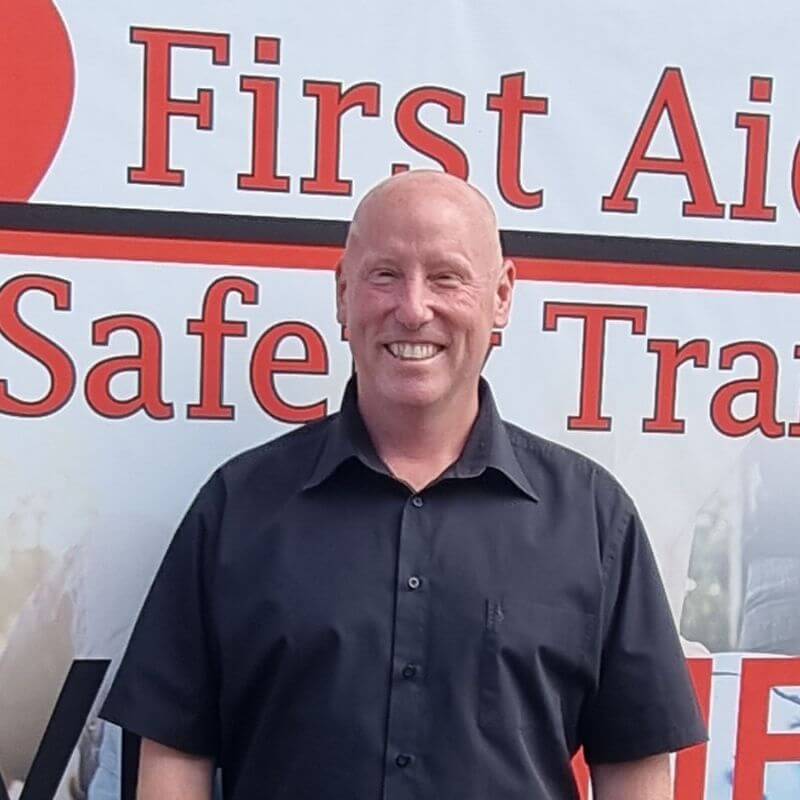
Need Advice on HSE First Aid Requirements 2026?
If you’re unsure whether your training meets the correct standards, or you want to make sure you’re choosing the right course, we’re here to help.
Call Helen on 0191 7166601
Text us on 07853657747
Email admin@firstaidsafetytraining.com
Explore Our First Aid Training Options
If you are reviewing first aid training compliance, you may also find the following pages helpful when choosing the right course or delivery option for your organisation.
First Aid Training Courses
Explore our full range of regulated qualifications for workplaces, childcare settings and individuals.
View All First Aid Training Courses
Workplace First Aid Training
Find out which courses are suitable for your business and workplace risk level.
Paediatric First Aid Training
Essential training for nurseries, schools and childcare providers, including EYFS-compliant qualifications.
On-Site First Aid Training
Flexible training delivered at your workplace or at one of our North East venues.
On-Site First Aid Training North East
Open First Aid Courses
Book onto our regular open courses in South Shields and Durham.
First Aid Training Locations
We provide first aid training across the North East, including onsite delivery for businesses and organisations.
HSE First Aid Requirements 2026 FAQs
Yes. UK employers must provide adequate and appropriate first aid arrangements under the Health and Safety (First-Aid) Regulations 1981.
Not always. Some low-risk workplaces may only require an appointed person, while higher-risk environments are likely to need trained first aiders.
A first aid needs assessment helps employers determine the correct level of first aid provision based on workplace risks and circumstances.
EFAW is a one-day emergency course suitable for many low-risk workplaces, while FAW is a more comprehensive qualification for higher-risk environments.
In most workplaces, practical assessment is still extremely important. Online-only training may not be appropriate where practical competence is required.
Yes. Most workplace first aid qualifications are valid for three years.
No. Since 2013, employers are responsible for selecting a competent first aid training provider.
Regulated qualifications provide nationally recognised standards, external quality assurance and practical assessment.
The contents should reflect the workplace risk assessment, but every workplace should have suitably stocked and maintained first aid equipment.
Employers should review first aid arrangements regularly, especially after:
- workplace changes
- incidents
- staffing changes
- increased risks
Yes. We regularly help employers understand which qualification is appropriate based on workplace risks and staff requirements.