Anaphylaxis Training North East
Recognising and responding to severe allergic reactions when every second matters
Our Anaphylaxis Training North East courses provide the knowledge and practical skills needed to recognise, manage and respond to life-threatening allergic reactions. Designed for workplaces, schools, childcare providers, food businesses and professionals, our training helps you develop the confidence to act quickly and effectively during an emergency.
- Valuable Life Skills
- Increased Confidence
- Workplace Compliance
- Valuable Life Skills
- Increased Confidence
- Workplace Compliance
Anaphylaxis Training Across The North East
Anaphylaxis is a severe and potentially life-threatening allergic reaction that can develop rapidly. Without immediate treatment, the condition can become critical within minutes, which is why recognising the signs and knowing how to respond is so important.
A person experiencing anaphylaxis may need urgent medical attention, emergency medication and support while waiting for ambulance services. Having trained individuals available can make a significant difference during those crucial first moments.
Our anaphylaxis training courses are designed to give learners the confidence to identify the signs of an allergic reaction, understand the correct emergency response and support someone until professional medical help arrives.
- Ofqual Regulated Qualifications
- HSE and EYFS Compliant Training
- Aligned with Resuscitation Council UK Guidance
- Nationally Recognised Certification
- Practical, Hands-On Learning
Why Anaphylaxis Training Matters
Allergic reactions can happen anywhere:
Schools and nurseries
Childcare providers
Teachers and support staff
Food businesses and hospitality teams
Workplaces
Healthcare and support organisations
Sports clubs and community groups
Aesthetic practitioners
Beauty and cosmetic professionals
Many people living with allergies rely on those around them understanding what to do in an emergency.
A quick and confident response can help reduce the risk of a serious outcome.
What Is Anaphylaxis?
Anaphylaxis is a severe allergic reaction involving multiple body systems. It can affect:
Breathing
Circulation
Airway
Skin
Consciousness
Common triggers include:
Food allergies
Medication
Insect stings
Latex
Other allergens
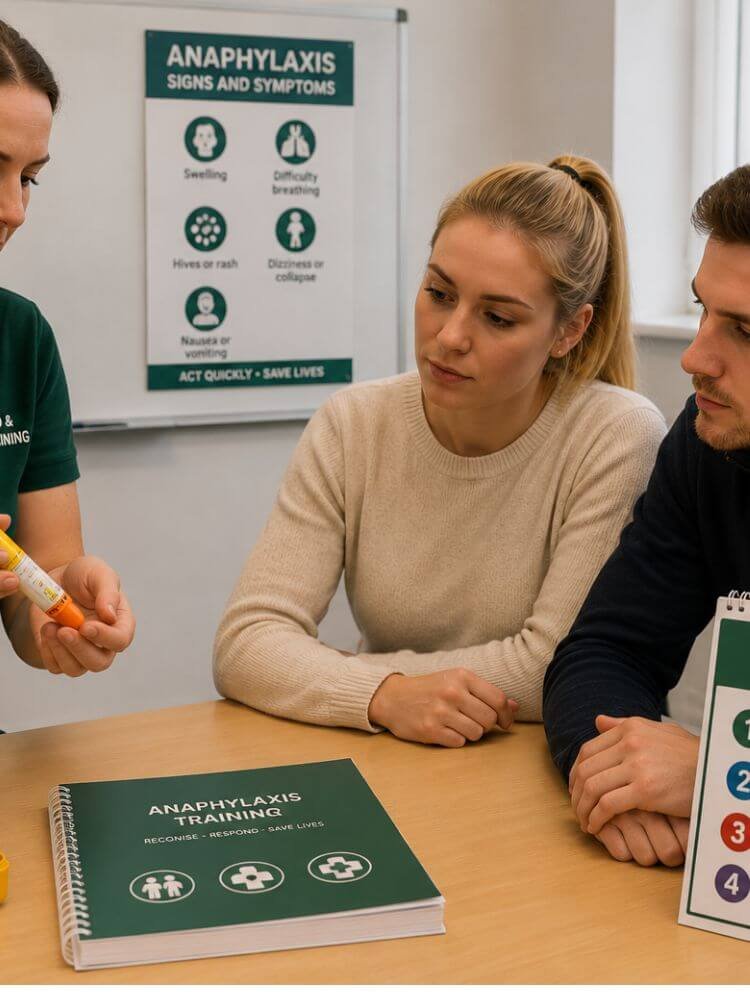
Signs may include:
Difficulty breathing
Swelling of the lips, tongue or throat
Wheezing
Collapse
Dizziness
Pale or clammy skin
Confusion or unconsciousness
Recognising these signs early is vital.
Benedict's Law and Emergency Adrenaline Access
Improving protection for children with allergies
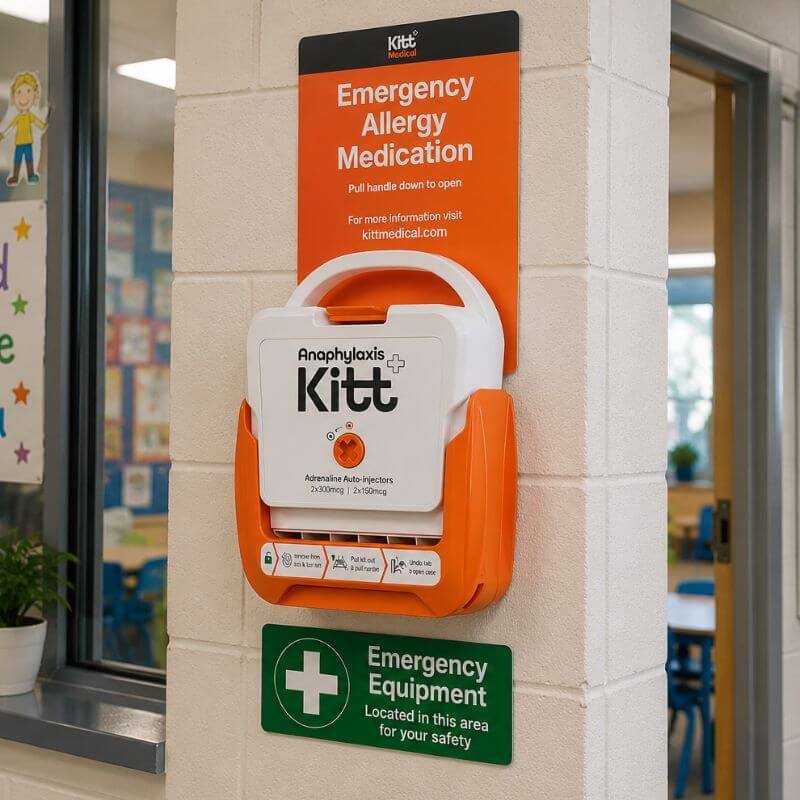
Following the introduction of Benedict’s Law, schools and children’s settings in England can purchase and hold spare adrenaline auto-injectors for emergency use.
The law was introduced following the tragic death of Benedict Blythe, a seven-year-old boy who died after suffering an allergic reaction at school. His family campaigned to improve access to emergency adrenaline medication and increase awareness of anaphylaxis.
Benedict’s Law allows eligible schools and children’s settings to keep spare adrenaline auto-injectors where they believe there is a need. These devices can provide an additional layer of protection alongside existing allergy management plans.
However, having an adrenaline auto-injector available is only part of the solution.
Staff must also understand:
- How to recognise anaphylaxis
- When emergency action is required
- How to support a child experiencing a reaction
- When to call 999
- How to use adrenaline devices correctly
An adrenaline auto-injector is only effective when people have the confidence to recognise the emergency and take appropriate action.
Why Paediatric First Aid Is Essential Where Children Eat
Children eating in schools, nurseries, clubs and childcare environments face two significant emergency risks:
Choking
Young children are particularly vulnerable to choking because they are still developing chewing and swallowing skills. Food-related choking incidents can happen quickly and require immediate action.
Anaphylaxis
Food is one of the most common triggers for severe allergic reactions in children. A child may experience anaphylaxis after eating something containing an allergen, sometimes even when precautions have been taken.
For this reason, any environment where children eat should consider having staff trained in paediatric first aid, with the confidence to respond to choking, allergic reactions and other childhood emergencies.
Paediatric first aid training provides a broader skill set, including:
Child and infant CPR
Choking management
Allergic reactions
Anaphylaxis response
Emergency decision-making
This ensures staff are prepared for the range of emergencies that can occur when caring for children.
Anaphylaxis Training For Aesthetic Practitioners
Aesthetic practitioners have a responsibility to understand emergency situations that may occur during treatments.
Although aesthetic procedures are generally safe, some treatments can carry risks including allergic reactions, which may require immediate action.
Anaphylaxis training is particularly valuable for practitioners providing:
Injectable treatments
Dermal fillers
Skin treatments
Cosmetic procedures
Beauty treatments involving products or substances that may trigger reactions
Having appropriate emergency training helps practitioners respond confidently, protect their clients and demonstrate a commitment to professional safety standards.
Our Anaphylaxis Training Courses
We provide different options depending on your environment and requirements.
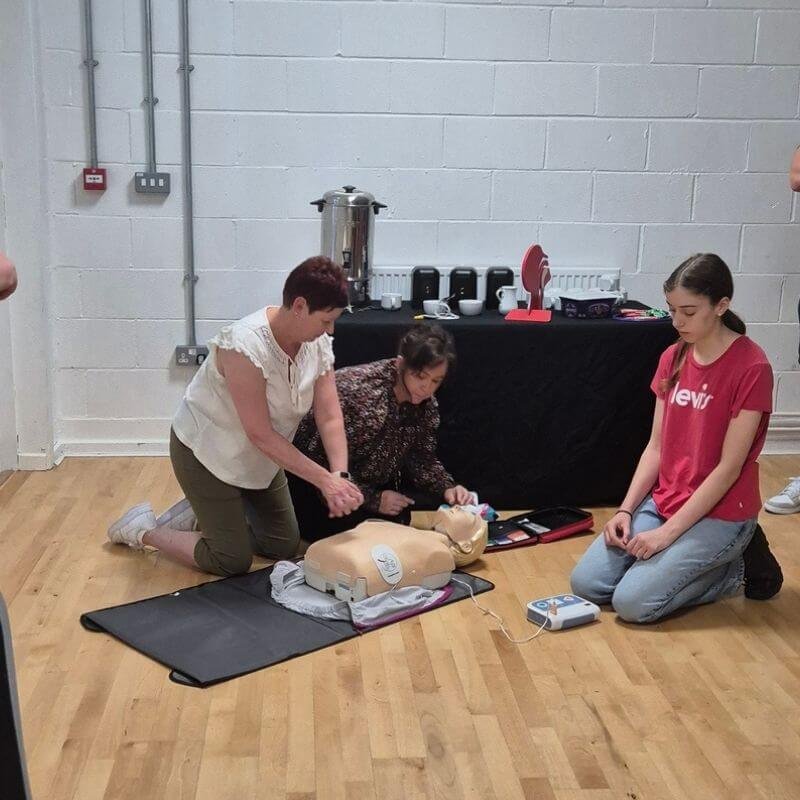
Adult BLS, AED and Management of Anaphylaxis
A recognised Level 3 qualification combining:
Adult basic life support
CPR
AED use
Recognition and management of anaphylaxis
Suitable for:
Businesses
Workplaces
Hospitality
Healthcare support roles
Professional environments
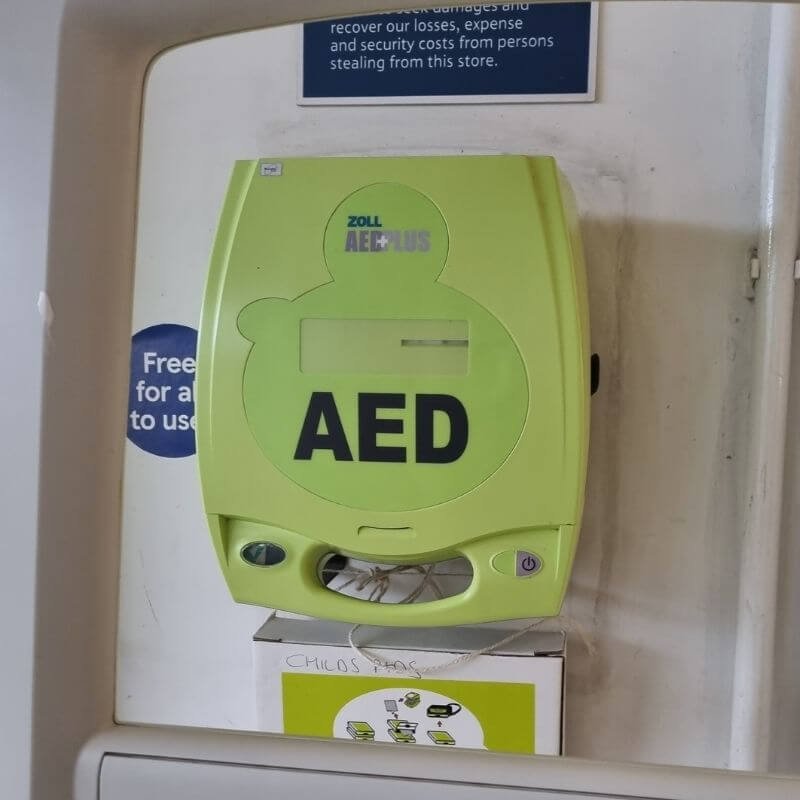
BLS, AED and Management of Anaphylaxis for Adults, Children and Infants
A comprehensive qualification covering emergency response across all age groups.
Suitable for:
Schools
Nurseries
Childcare providers
Children’s organisations
Family support services
This course combines:
Adult CPR
Child CPR
Infant CPR
AED use
Anaphylaxis management
Why Choose First Aid and Safety Training?
When training for a medical emergency, quality and confidence matter.
Our courses provide:
Practical Training
Hands-on learning designed to build confidence, not just knowledge.
Experienced Trainers
Training delivered by experienced instructors who understand real-world emergencies.
Regulated Qualifications
Where required, our Qualsafe Awards courses provide recognised qualifications supported by external quality assurance.
North East Coverage
We provide training across the North East:
South Tyneside
Sunderland
Durham
Newcastle
Gateshead
North Tyneside
Northumberland
Book Your Anaphylaxis Training North East
Whether you are a school protecting children, a business supporting employees, a childcare provider meeting safety responsibilities or a professional wanting greater confidence, we can help.
Our anaphylaxis training gives you the knowledge and practical skills to recognise a serious allergic reaction and respond when someone needs help most.
Contact First Aid and Safety Training today to discuss the right anaphylaxis course for your organisation either on-site or at our training centre in South Shields.
Anaphylaxis Training North East FAQ's
Anaphylaxis is a severe and potentially life-threatening allergic reaction that can develop quickly after exposure to an allergen.
Common triggers include foods such as nuts, peanuts, dairy, eggs and shellfish, as well as medication, insect stings and other substances.
During an anaphylactic reaction, the airway, breathing and circulation can be affected, meaning urgent action is required. Recognising the signs early and knowing how to respond can make a significant difference.
The symptoms of anaphylaxis can vary, but may include:
Difficulty breathing
Swelling of the lips, tongue or throat
Wheezing or noisy breathing
Feeling faint, dizzy or confused
Collapse or unconsciousness
Pale, clammy skin
A widespread rash or hives
Nausea, vomiting or abdominal symptoms
A person does not need to show every symptom before anaphylaxis should be suspected. If a severe allergic reaction is suspected, emergency action should be taken.
Anaphylaxis can become life-threatening within minutes, meaning there may not be time to wait for emergency services before action is needed.
Training gives people the confidence to:
Recognise the signs of a severe allergic reaction
Understand when emergency action is required
Support someone experiencing anaphylaxis
Know how and when adrenaline auto-injectors are used
Call 999 and provide appropriate care until help arrives
Having trained people available can provide reassurance for individuals, families, employees and organisations.
Anaphylaxis training is suitable for anyone who may need to respond to a severe allergic reaction.
This includes:
Schools and nurseries
Childcare providers
Teachers and support staff
Food businesses and hospitality teams
Workplaces
Healthcare and support organisations
Sports clubs and community groups
Aesthetic practitioners
Beauty and cosmetic professionals
The most appropriate course will depend on your environment and the people you are responsible for.
Schools and childcare providers have a responsibility to consider allergy risks and ensure suitable arrangements are in place to protect children.
While having adrenaline auto-injectors available is an important safeguard, equipment alone is not enough. Staff need to understand how to recognise anaphylaxis, respond appropriately and support a child until emergency services arrive.
This is why many schools and childcare settings choose to include anaphylaxis awareness and emergency response training within their wider first aid arrangements.
Benedict’s Law refers to changes introduced following the campaign by the family of Benedict Blythe, a child who sadly died after experiencing an allergic reaction at school.
The legislation allows eligible schools and children's settings in England to purchase and hold spare adrenaline auto-injectors for emergency use.
The aim is to provide an additional safety measure for children at risk of anaphylaxis.
However, having emergency medication available is only one part of effective allergy management. Staff also need the knowledge and confidence to recognise a reaction, understand the emergency procedure and know when to call 999.
Benedict’s Law allows schools and eligible children's settings to hold spare adrenaline auto-injectors if they choose to do so and meet the relevant requirements.
It does not replace the need for individual allergy plans, prescribed medication or appropriate first aid arrangements.
Schools should consider their own circumstances, risk assessments and the needs of children in their care.
Anyone responsible for children should consider the risks associated with childhood emergencies, including choking, allergic reactions and anaphylaxis.
Children are particularly vulnerable to choking incidents because of their developing eating skills, while food is also one of the most common triggers for severe allergic reactions.
Paediatric First Aid training gives staff a wider emergency skill set, including:
Child and infant CPR
Choking management
Recognition of allergic reactions
Anaphylaxis response
Emergency decision-making
For settings where children eat, appropriate paediatric first aid provision provides valuable reassurance for staff, parents and children.
Yes. Anaphylaxis training covers the principles of using adrenaline auto-injectors, including when they may be required and how they form part of the emergency response.
There are different brands of adrenaline auto-injectors available, but the key principles remain the same:
Recognising a suspected anaphylactic reaction
Administering emergency medication when appropriate
Calling 999
Monitoring the casualty and providing ongoing support
Practical training helps learners develop confidence rather than relying on written instructions during an emergency.
Anaphylaxis training is highly recommended for aesthetic practitioners because some treatments involve substances or procedures where allergic reactions, although uncommon, may occur.
Practitioners providing treatments such as:
Dermal fillers
Injectable treatments
Skin procedures
Cosmetic treatments
should understand how to recognise and respond to a severe allergic reaction.
Having appropriate emergency training demonstrates a commitment to client safety and professional standards.
Anaphylaxis awareness training focuses on understanding the condition, recognising symptoms and knowing how to respond.
A regulated qualification provides a more structured assessment-based approach and may include practical assessment, depending on the course.
For workplaces, childcare settings and professional environments, a recognised qualification can provide additional reassurance that learners have demonstrated the required knowledge and practical skills.
We provide recognised Qualsafe Awards qualifications, including:
Adult BLS, AED and Management of Anaphylaxis
Suitable for adult-focused workplaces and organisations.
This combines:
Adult basic life support
CPR
AED use
Anaphylaxis management
BLS, AED and Management of Anaphylaxis for Adults, Children and Infants
Suitable for environments involving children and families.
This combines:
Adult CPR
Child CPR
Infant CPR
AED use
Anaphylaxis management
Yes. We provide on-site anaphylaxis training across the North East, including:
South Tyneside
Sunderland
Durham
Newcastle
Gateshead
North Tyneside
Northumberland
On-site training allows your team to learn together in a familiar environment and can be tailored to your organisation’s specific risks and requirements.
Regular refresher training is recommended to maintain confidence and ensure people remain familiar with emergency procedures.
Skills such as recognising symptoms, using emergency medication and responding calmly can become less familiar if they are not practised regularly.
Many organisations include anaphylaxis refreshers alongside their wider first aid training programme.
Anaphylaxis can be life-threatening and should always be treated as a medical emergency.
The outcome can depend on several factors, including how quickly the reaction is recognised, how quickly appropriate treatment is given and how soon emergency medical support arrives.
The best preparation is ensuring people know what to look for and feel confident taking action.